Home Buyers
How do I make a strong offer in the Santa Ynez Valley?
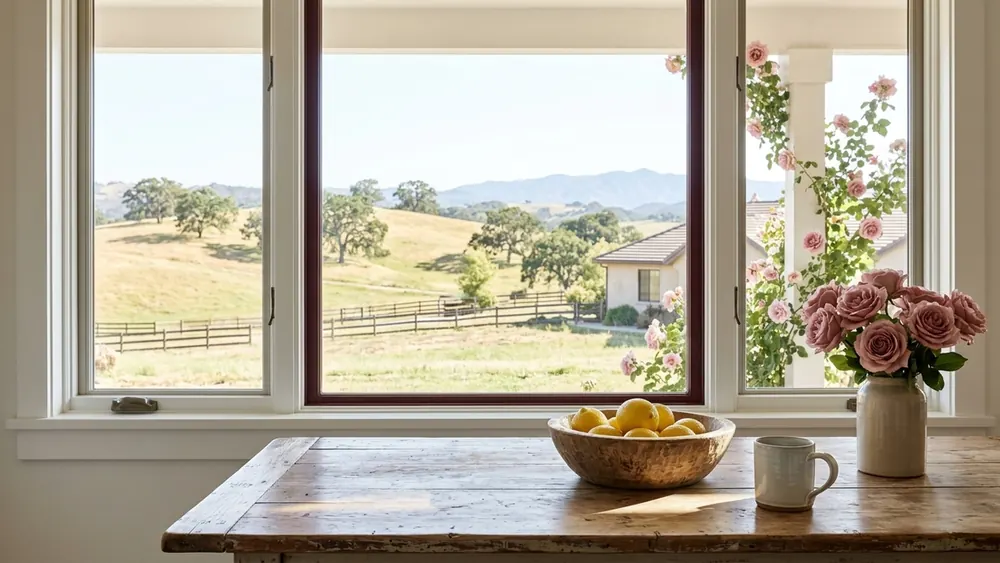
A strong offer in the Santa Ynez Valley looks at price, terms and timing together, not just the number. Have your lender letter ready before you tour, ground your price in recent comparable sales, and take contract questions to a qualified legal professional.
On this page
What makes an offer strong
A strong offer is one the seller can say yes to with confidence, and that depends on more than the price. In the Santa Ynez Valley, as anywhere, sellers weigh the number alongside the terms and the timing: how prepared the buyer is, which conditions are attached and when the buyer can close. Have your lender letter ready before you tour, ground your price in recent sales of similar homes and keep every part of the offer clear.
This matters because buyers often focus on a single question: how much should I offer? That question is important, but it is only one piece. An offer with a reasonable price, clean terms and a timeline that fits the seller’s plans can be more appealing than a higher number with uncertain financing or a long list of conditions. Thinking about all three pieces together gives you more ways to be competitive without simply stretching your budget.
None of this replaces professional advice on the contract itself. Jenae Johnson helps with the real estate side: what comparable homes looked like, how to present an offer clearly and how to think about terms and timing. A licensed lender answers the financing questions, a licensed escrow professional explains the escrow steps and a qualified legal professional or real estate attorney answers questions about what contract terms mean for you.
Preparation starts before the first showing
The strongest offers are usually prepared long before the buyer finds the home. Talk with a licensed lender early and ask about a written lender letter that shows a seller you have started the financing process. Ask the lender how your loan type might be viewed alongside other offers and what documents you will need once you are under contract. Knowing those answers early lets you act calmly when the right home appears.
Preparation also means knowing your own priorities. Write down your must haves, the towns you are focused on and the point at which you would walk away. A buyer who knows these things can respond quickly and confidently. A buyer who is still deciding whether they want Los Olivos or Buellton, or whether they can live without a garage, will find it much harder to make a clean offer when the moment arrives.
I tell buyers to prepare before they fall in love with a home. When your lender letter and priorities are ready, you can make a clear offer without second guessing it.
Grounding the price in recent sales
Price should come from evidence rather than instinct. Look at recent sales of homes similar to the one you want: similar size, age, condition and setting. In a small market, a handful of sales can shift the averages, so comparing the specific homes matters more than any broad figure. Jenae can walk you through comparable sales and help you understand how the home you like fits among them.
Condition plays a large part in that comparison. A home that needs a new roof or updated systems is not the same as a similar home that has already had that work done. Think about the upkeep a home will need in its first few years, and let that shape your view of value. A practical, upkeep aware view of the home often leads to a more realistic offer than a focus on finishes alone.
It also helps to follow the valley over time rather than relying on one snapshot. Jenae publishes Santa Ynez Valley market report newsletters, which are a simple way to watch how similar homes are moving over several months. Reading them while you search, alongside your own notes from showings, makes it easier to recognize when a price looks reasonable for the kind of home you want and when it deserves a closer look.
Terms can matter as much as the number
Terms describe the conditions attached to your offer. Common examples include contingencies, which allow a buyer to review certain things such as the inspection or the financing before going ahead, and the timing of each step. Every term carries tradeoffs, and what is right for one buyer can be risky for another. Before you change or remove any contingency, ask a qualified legal professional what that change means for you.
A clean offer is not the same as an offer with no protections. It is an offer where each term is clear, purposeful and easy for the seller to understand. Avoid adding conditions you do not actually need, and make sure the ones you keep are written plainly. If you have questions about deposits or how funds are held, a licensed escrow professional can explain how the process works for your transaction.
Timing that works for both sides
Timing is often the overlooked piece of an offer. Some sellers need time to find their next home, while others want to move quickly. Asking about the seller’s preferred timeline through the real estate process can help you shape an offer that fits. If your own situation is flexible, flexibility can be valuable. If you have a firm move date, be clear about it from the start. A few timing questions worth asking are below.
- When would the seller ideally like to close, and is that date flexible
- Does the seller need time after closing to move out of the home
- How quickly can my lender and escrow professional realistically complete their steps
- Does my own move date or lease create a deadline I need to share
Be honest about what you can actually do. Promising a fast timeline that your lender cannot meet creates problems later. Ask your licensed lender and licensed escrow professional how long their steps tend to take for a transaction like yours, then build your offer around those answers. A realistic timeline that you can keep is far more valuable to a seller than an ambitious one that slips.
Questions to settle before you write an offer
Before you write an offer, it helps to know which questions you can answer yourself and which belong with someone else. The table below sorts the common ones. It does not tell you what to offer or which terms to use. It shows who is well placed to help you decide, so you can bring the right question to the right person before the moment you need the answer.
| Question | Why it matters | Who to ask |
|---|---|---|
| What price fits recent comparable sales | It grounds your offer in evidence | Jenae Johnson, with comparable sales |
| Is my lender letter current and complete | Sellers want to see financing is underway | A licensed lender |
| What does each contingency protect | Removing one can shift risk to you | A qualified legal professional |
| How are deposits and funds handled | You should understand every step of escrow | A licensed escrow professional |
| What will insurance on this home involve | Coverage questions can affect your plans | An insurance agent, as early as possible |
Working through these questions before you find the home keeps you from making rushed decisions under pressure. When an offer needs to come together, you will already know where your financing stands, how you feel about each term and who to call with a contract question. That preparation is what lets you move with confidence instead of guessing.
When more than one buyer is interested
Sometimes a home draws interest from more than one buyer. When that happens, the same principles apply: a clear price grounded in comparable sales, terms you understand and a timeline you can keep. Resist the urge to make decisions you have not thought through. Stretching beyond your comfortable budget or giving up protections you need can turn a win into a regret long after the excitement fades.
It also helps to remember that losing a home is not the end of the search. Each offer teaches you something about what matters to you and how sellers respond. If you are buying from farther away, ask for detailed videos and photos of each home you shortlist, so you are ready to act when the next one fits. Jenae supports remote clients with detailed videos and photos (self reported).
Getting ready for your first offer
Before your first offer conversation, gather your lender letter or lender notes, your list of must haves, the towns you are focused on and the timing you need. Whether you are watching Solvang, Santa Ynez or areas also served such as Lompoc, write down the questions you want answered about price, terms and timing. Having everything in one place makes the conversation faster and much more useful for you.
When you are ready, bring those notes to Jenae Johnson of Berkshire Hathaway HomeServices California Properties. The conversation is about understanding how offers work in the valley, how to read comparable sales and which questions belong with your lender, escrow professional or legal professional. There is no pressure and no obligation, just a clear look at your next step toward a home that fits.
This article is general information about buying, selling and moving in the Santa Ynez Valley and Santa Barbara County. It is not legal, tax, lending, escrow, zoning or inspection advice and does not predict prices or promise results. Confirm financing with a licensed lender, contracts with a qualified legal professional, escrow steps with an escrow professional, and wells, septic, zoning, land use, taxes and services with official sources. Jenae Johnson, Berkshire Hathaway HomeServices California Properties.

Written by